Someone Was Arrested for a Felony in Wake County — What Happens Next?
Wake County, Felony Arrest, Bail Bonds, Raleigh NC
What Happens After a Felony Arrest in Wake County, North Carolina?
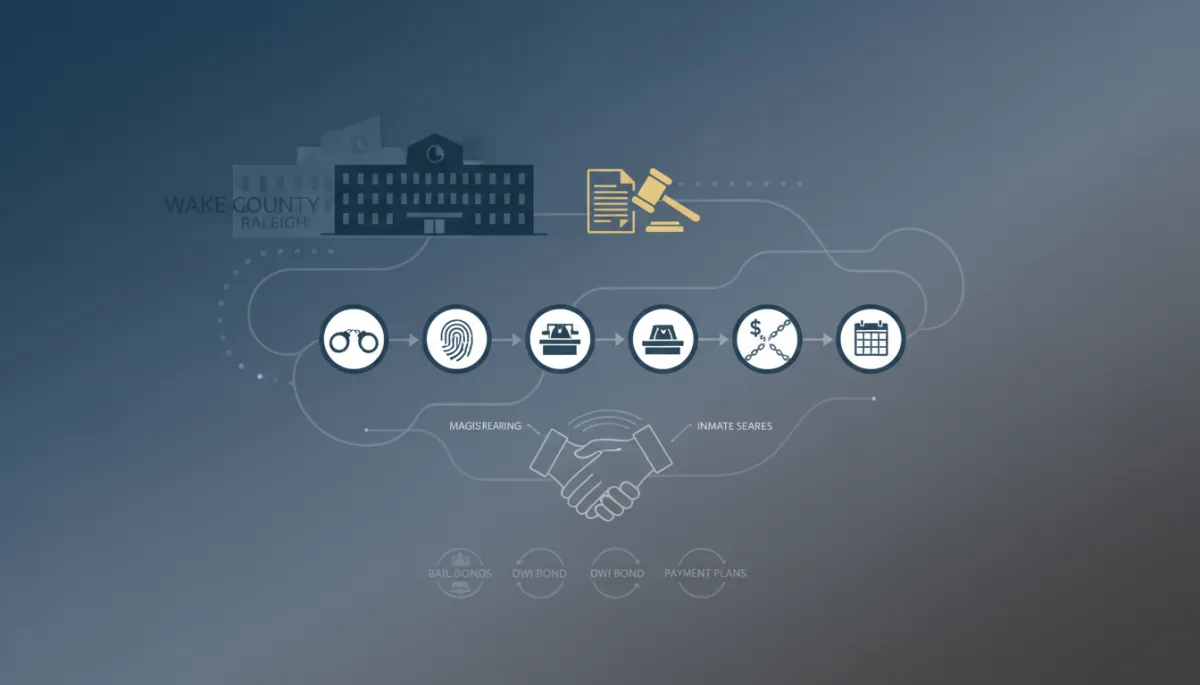
If someone you love has just been arrested for a felony in Wake County, it can feel like the ground has dropped out from under you. This guide walks you step-by-step through what typically happens next in Raleigh and at the Wake County Detention Center, and how bail and bond options may help you bring them home sooner.
Step 1: The Felony Arrest in Raleigh or Elsewhere in Wake County
A felony arrest in Wake County usually starts with either an arrest warrant, a direct arrest by an officer who believes they have probable cause, or a grand jury indictment. This can happen anywhere in the county: in Raleigh, Cary, Apex, or a smaller town. Once officers decide to arrest, your loved one will be handcuffed, searched, and transported to the Wake County Detention Center in Raleigh for processing.
The arrest itself is not a conviction. It simply means law enforcement believes there is enough evidence to charge, and the court process will decide what happens long term.
Step 2: Booking at the Wake County Detention Center
After arrival at the Wake County Detention Center, the person is taken through booking. This is a structured process that can take from about an hour to more than 24 hours, depending on how busy the jail is and how many people are being processed.
Intake and questions: Staff collect basic information: name, date of birth, address, and emergency contacts. They also ask medical and mental health questions to identify any immediate needs.
Fingerprints and photos: The person is fingerprinted and has a mugshot taken from several angles. An inmate or booking number is assigned and tied to their case.
Property storage: Personal items such as phones, wallets, and jewelry are inventoried and locked away. Some property may later be released to a family member if the inmate signs authorization and the facility’s rules are followed.
During booking, most people are allowed at least one phone call. That call can be used to contact a family member, an attorney, or a Raleigh bail bonds company to start planning for release. Once the booking is complete, details like the inmate’s name, charges, and booking number usually appear on the county’s online inmate search or public records site within hours.
Step 3: The Magistrate Hearing (Initial Appearance)
In North Carolina, including Wake County, the first formal step after booking is an initial appearance before a magistrate. This typically happens within the first 24–48 hours after arrest, often right inside the detention center. The magistrate is a judicial official who:
Informs the person of the felony charges being filed.
Reviews basic facts from law enforcement about what allegedly happened.
Explains basic rights, such as the right to remain silent and the right to an attorney.
Sets bail or decides on other conditions of release.
This is often the first time bail is addressed. For some lower-level felonies, the magistrate may set a bond that can be handled quickly with the help of a Raleigh bail bonds agent. For serious or violent felonies, the magistrate may set a higher secured bond or decide that only a judge can review release conditions, especially under newer rules like Iryna’s Law that tighten pretrial release for certain offenses.
Step 4: Bond Hearing and Possible Changes to Bail
In many cases, the magistrate’s decision is not the final word on bail. A bond hearing may be scheduled in Wake County District or Superior Court, where a judge reviews whether the bail amount or conditions should be changed. This can be important if the original bond is too high for the family to afford or if more information about the person’s ties to Raleigh and Wake County becomes available.
At a bond hearing, the judge considers factors like:
The seriousness of the felony charge and whether anyone was hurt.
Past criminal history, especially previous failures to appear in court.
Ties to the community, such as steady employment, family in Wake County, and length of time living in Raleigh or nearby.
Any safety concerns for the public or alleged victims.
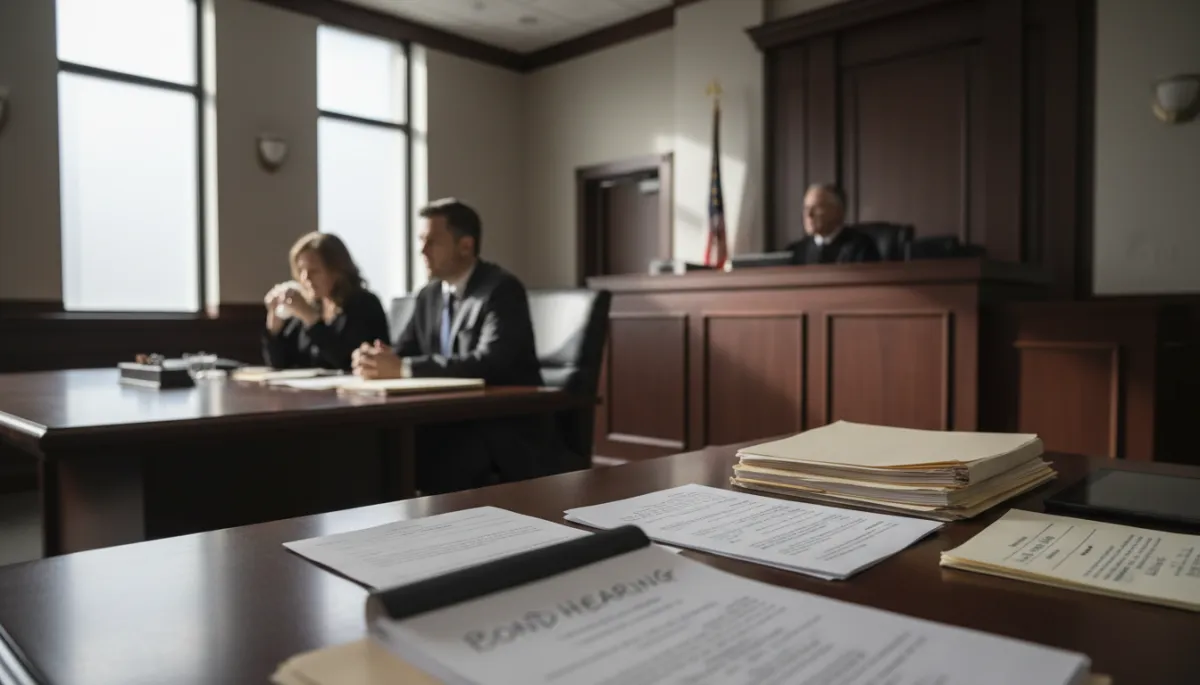
Bond hearings can adjust bail so families have a realistic path to release.
Common Felony Charges in Wake County
The word “felony” covers a wide range of offenses in North Carolina. Some of the more common felony charges that lead to arrests in Wake County include:
Drug-related felonies, such as possession with intent to sell or trafficking.
Felony DWI or repeat DWI offenses, especially where there is injury or prior convictions.
Burglary, robbery, and certain theft-related crimes depending on the value involved.
Assaults that cause serious injury or involve weapons.
Each type of felony has its own typical bond range. For example, first-time DWI bonds in Wake County often fall between about $500 and $2,500, but can be higher when there are aggravating factors (see Amistad Bail Bonds’ overview of DWI bond amounts in Raleigh). If your loved one’s arrest involved driving under the influence, a local DWI bond resource can help you understand what to expect and how to move forward.
How Bail Is Set in Wake County Felony Cases
Bail in Wake County is usually set by a magistrate at the initial appearance, and later reviewed by a judge if needed. North Carolina law gives magistrates and judges several options:
Written promise to appear / unsecured bond: The person is released without paying money up front but owes the full amount if they miss court. This is less common for serious felonies, especially after Iryna’s Law increased scrutiny of pretrial release for violent or repeat offenders.
Secured bond (cash or property): The court sets a dollar amount that must be posted in cash, cashier’s check, money order, or property. Amounts can range from a few hundred dollars to tens of thousands or more, depending on the charge and history.
Surety bond (through a bondsman): A licensed bail bond agent in Raleigh or elsewhere in Wake County posts the full bond with the court. Families typically pay the agent a non-refundable premium of about 10–15% of the bail amount, as allowed by North Carolina law.
The decision about which type of bond to use is up to your family and the person who was arrested. Many families choose to work with a local bail bonds company when the full cash amount is too high to pay directly to the court but they still want their loved one home while the case moves forward.
Can Someone Bond Out After a Felony Arrest?
In many felony cases, yes, it is possible to bond out after arrest. Whether that happens, and how quickly, depends on:
Whether the magistrate or judge has set a bond at all, or has ordered that only a judge can review release.
The amount of the bond and what your family can afford in cash or through a bondsman.
Any special conditions, such as electronic monitoring, no-contact orders, or substance abuse treatment.
Once a bond is set, a licensed Raleigh bail bonds agent can usually start the process right away, even late at night or on weekends. Many agents offer payment plans for qualified cosigners, which can make it easier to handle a higher felony bond without draining savings or selling property. When the bond is posted and the jail finishes its release steps, your loved one is discharged from the Wake County Detention Center with instructions on when to appear back in court.
Missing a court date can lead to a new warrant, loss of the bond, and additional charges. Make sure everyone involved understands the court schedule and conditions of release.
Using Inmate Search, Bail Bonds, and Payment Plans to Navigate the Process
When you first get that phone call about a felony arrest, it can feel like chaos. A few practical steps can help you regain some control:
Use the county’s inmate search tool to confirm the person’s location, charges, and bond amount once it is posted in the system.
Contact a local bail bonds provider familiar with the Wake County Detention Center and felony cases in Raleigh and surrounding areas.. They can explain the steps, paperwork, and timing involved.
Ask about payment plans if the premium is more than you can pay at once. Many Raleigh bail bonds agencies offer flexible options for qualified cosigners, which can be a lifeline for families facing a sudden high bond.
None of these steps replace legal advice from an attorney, and this article is not meant to tell you what you should do in your specific situation. But understanding the basic path—from arrest, booking, and the magistrate hearing to bond decisions and possible release—can make the next few days a little less overwhelming.
Moving Forward After a Felony Arrest in Wake County
Felony charges are serious, but you do not have to face the process alone. In Raleigh and throughout Wake County, there are clear steps that happen after an arrest: transport to the Wake County Detention Center, booking, the magistrate hearing, possible bond hearings, and then the longer court process. At several points along the way, bail and bond options may give your loved one the chance to come home while the case is pending.
If you are searching right now because someone you care about was just arrested, your next step can be as simple as confirming their status with the Wake County inmate search and reaching out to a trusted Raleigh bail bonds professional to talk through options, including DWI bond help and flexible payment plans. Taking that first action can turn a frightening situation into a manageable plan, one step at a time.
Frequently Asked Questions
How long does it usually take for bond to be set after a felony arrest?
In many cases, bond is addressed during the first appearance before a magistrate. Depending on the situation, this may happen fairly quickly or may take longer if the arrest happens overnight, on a weekend, or involves more serious charges.
Can someone still get released if the bond amount is very high?
Sometimes, yes. Families may choose to work with a bail bond agent instead of paying the full amount directly to the court. Release still depends on the conditions set by the magistrate or judge.
Will a felony arrest stay on someone’s record forever?
Not always. Every case is different, and the outcome depends on what happens in court. Some charges may later be dismissed or reduced, while others can lead to convictions that remain on a criminal record.
What happens if someone misses a court date after bonding out?
Missing court can create serious problems. The court may issue a new warrant, revoke the bond, or add additional consequences depending on the case.
Can family members find out where someone is being held?
Yes. Once booking is completed, the person’s custody status, charges, and bond information are often available through the county inmate search system.
Is the booking process always fast?
No. Some people move through booking fairly quickly, while others may wait several hours or longer depending on jail activity, staffing, medical screening, and how many arrests are being processed at the time.