
What Happens After an Arrest in Wake County?
If someone you care about was arrested in Wake County, you need to confirm where they are held, understand what happens during booking, and learn how release conditions are set. This guide walks through each part without repeating what happens after a bond is posted.
Booking and the initial release decision happen at the Wake County Detention Center on Hammond Road. A separate guide covers what happens after a bond has been posted.
Start Here
Where Are They in the Process?
Identify the stage that matches your situation right now. Each one points you to the next step.
Just Arrested
Booking may still be underway. The person's custody record or bond information may not be available yet while intake is being completed.
Search Inmate RecordsBond Information Is Available
Confirm the bond type and any conditions before arranging anything. If a secured bond can be handled by a bondsman, this is when the family can begin.
How Bail WorksBond Has Been Posted
If the bond has already been posted, the detention facility still has to verify it and complete its release procedures. See the guide for what happens next.
Jail Release ProcessThe Arrest Process
What Happens After an Arrest?
These are the three stages families usually see, from booking through the release decision.
Booking
After an arrest, the person is processed at the Hammond Road facility. Booking confirms identity, records the charges, takes fingerprints and booking photos, and inventories personal property. Bond information is not available until this intake is completed.
Review of Release Conditions
A judicial official reviews the charges and the arrest report and decides the conditions of pretrial release under North Carolina law. The decision depends on the charges and the circumstances of the case; certain charges require a judge. Amistad does not set the bond amount or change court-ordered conditions. For a full breakdown of bond types, contracts, premiums, collateral, and payment methods, see How Bail Works.
Confirm the Release Conditions
Once release conditions are available, the family can confirm the bond type, the amount where one applies, and any additional requirements. If a secured bond is required and a bondsman can be used, this is when you can arrange it. To post the bond itself, see How Bail Works; for what happens after posting, see the Jail Release Process.
What You Can Do
What Can You Prepare While They Are Being Processed?
You do not have to wait without doing anything useful. Here is what to gather now.
Confirm Where They Are Held
Find the facility where the person is in custody once booking information becomes available.
Gather the Information You Have
It helps to have:
- Full legal name
- Date of birth
- Arrest location, if known
- Charges, if known
Check Whether Release Conditions Exist
You can ask questions before the amount is known. Posting a bond requires the corresponding release conditions to be set first.
Contact Amistad for the Next Step
If a secured bond applies and a bondsman can be used, Amistad can explain the cost, paperwork, and what comes next.
Waiting for Bond Information
Why Isn't a Bond Showing Yet?
Release information may not appear immediately for a few reasons: booking may still be in progress, the judicial review may not have happened yet, or the record you are checking may not have updated.
No bond information yet does not mean a bond will never be set.
Start by verifying the person's full name and date of birth, then check the custody information again through the facility's official channels.

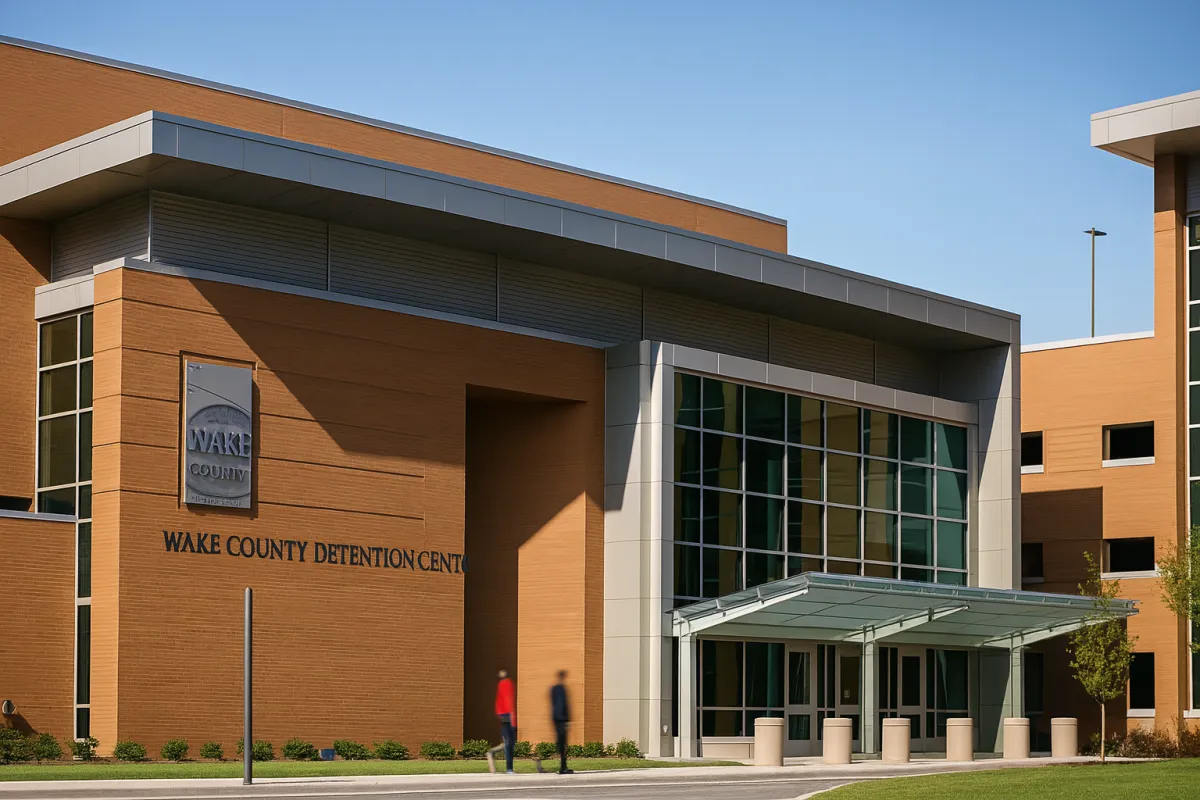
Central processing facility
Wake County Detention
Where Are Wake County Arrests Processed?
The Hammond Road facility is Wake County's central processing facility for arrests made by law enforcement within the county. The place where initial processing happens is not always where a person is housed afterward — Wake County also uses detention space at the John H. Baker Jr. Public Safety Center. Use the inmate search to confirm current custody location. Wake County Budget PDF
Confirm the Bond Information
Know What to Do Next
Confirm the bond information and understand the next step. If a secured bond has been set and a bondsman can be used, Amistad can review the details and explain what is needed to continue. Not every case can be bonded — release conditions are set by the court.