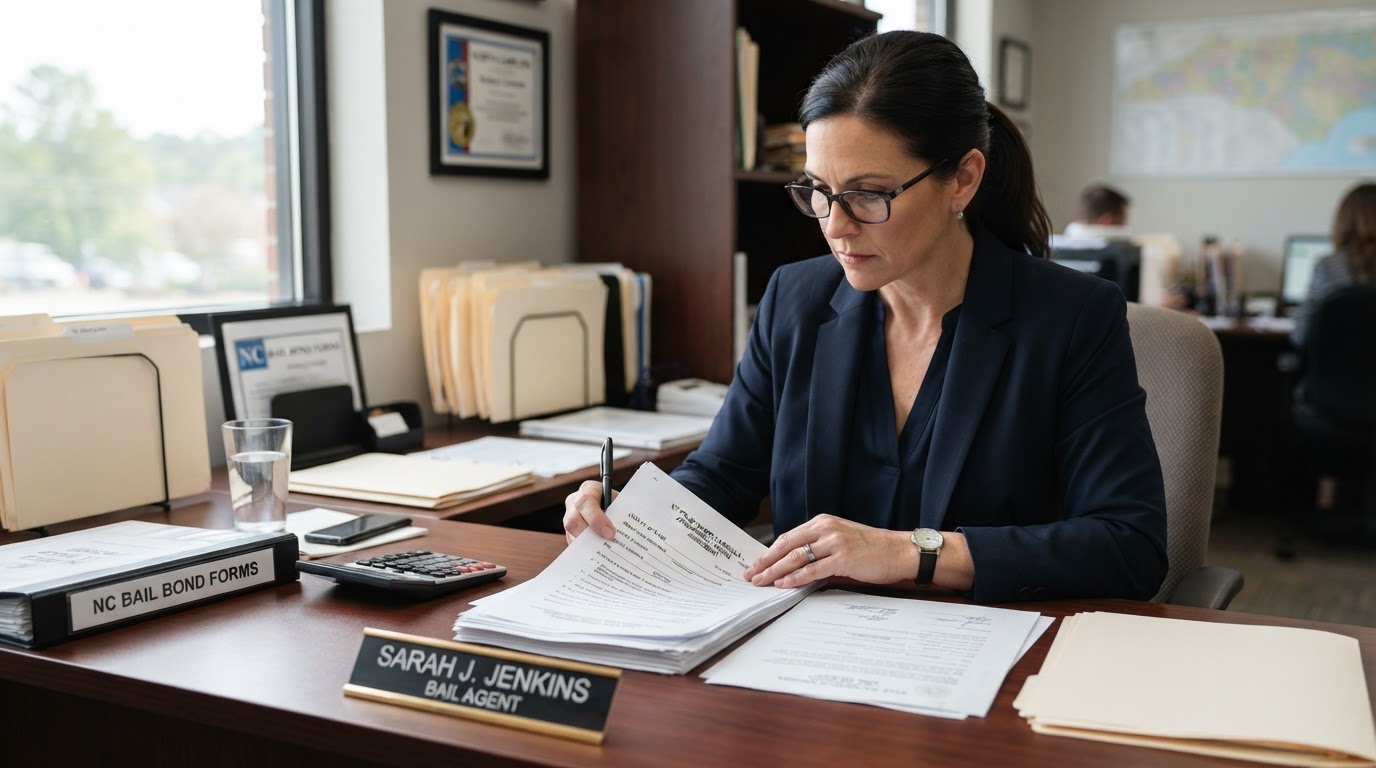
What You Need for a Bail Bond in North Carolina
How the Bail Bond Application Process Works (What You Need to Get Started)
When someone you care about has been arrested, the first question is often simple: what do I need to get started? Understanding the bail bond application process before you make the call can make things feel a lot more manageable. This guide explains what you need for a bail bond, what a bondsman will ask, and how the application process usually works in North Carolina.
What Do I Need to Get Started?
You do not need to know every detail about the case to begin, but having some basic information ready before you contact a bondsman will save time. In North Carolina, you can usually start the conversation as soon as you know your loved one has been arrested, even if the bond amount has not yet been set. If you want a broader look at what happens before the application begins, review our How the Bail Bond Process Works guide.
At the beginning, focus on three things: who was arrested, where they are being held, and the best number to reach you. With those basics, a bondsman can often look up additional details through the jail or court system and guide you on how to post bail once the bond is set.
What You Need to Apply for a Bail Bond
When you are ready to move forward, there are several common bail bond requirements in North Carolina. Different agencies may ask for slightly different things, but most will expect the following from the person applying for the bond (often called the indemnitor or cosigner):
Valid identification: A government‑issued photo ID such as a North Carolina driver’s license, state ID, passport, or military ID. This confirms who is taking responsibility for the bond contract.
Basic personal information: Your full legal name, date of birth, Social Security number (or other identifying number, if requested), current address, phone number, and employer information.
Information about the defendant: The person’s full name, date of birth, the jail or detention center where they are being held, and if possible, their booking number or case number.
Charge and bond details (if available): The charges they are facing, the bond amount set by the magistrate or judge, and any conditions attached to the bond. If you do not know these yet, the bondsman can often obtain them for you once they know the location of the jail.
Payment method for the premium: In North Carolina, the standard premium is a percentage of the total bond amount, set by state law. You may be able to pay by cash, card, or other methods depending on the agency’s policies.
Collateral, if required: For larger bonds or higher‑risk situations, the bondsman may require collateral such as cash, or real estate interest to secure the bond.
In places like Raleigh and throughout Wake County, having as much of this information ready as possible helps Raleigh bail bonds companies move faster, ask the right questions, and explain what options may be available in your situation.

What a Bail Bondsman Will Ask You
When you speak with a bondsman, expect a calm but detailed conversation. They are trying to understand the risk involved in writing the bond and whether you and the defendant are likely to follow all court requirements. The specific questions may vary, but they usually cover the same core areas across North Carolina:
Your relationship to the defendant: Are you a spouse, parent, friend, coworker, or landlord? A closer, long‑term relationship can be seen as more stable and reassuring to the bondsman.
Defendant’s background: Where the defendant lives, how long they have lived there, whether they are employed or in school, and whether they have family ties in North Carolina. These details help the bondsman judge how likely the person is to appear in court and not leave the area.
Criminal history: Any prior arrests, prior failures to appear in court, previous bonds, or probation status. A history of missing court dates can make approval more difficult, but it does not automatically mean a bond will be denied.
Financial information: Your job, how long you have been employed, your monthly income, and any major financial obligations. This helps the bondsman decide whether you can reasonably take on responsibility for the bond amount if something goes wrong.
Contact details and references: Current phone numbers, email addresses, and sometimes additional references who know the defendant and can help reach them if necessary.
Being honest and thorough when answering these questions is one of the most important parts of how to apply for a bail bond. Inaccurate or incomplete information can slow the process or cause the bondsman to decline the application later if they discover inconsistencies.
How the Bail Bond Application Process Works in North Carolina
While each case is unique, the basic steps for how to apply for a bail bond in North Carolina tend to follow a similar pattern. Understanding this sequence can help you stay calm and know what to expect as things move forward.
Initial contact: You contact a licensed North Carolina bail bondsman by phone or online. You share basic details about the defendant, the jail, and your relationship to them. The bondsman may quickly verify where the defendant is being held and whether a bond has been set yet.
Information gathering and quote: The bondsman asks you the questions outlined above to understand risk and bail bond requirements. Based on the bond amount and other factors, they explain the premium you must pay and whether collateral is needed. They will also explain the premium, any approved payment terms, and whether collateral or a stronger cosigner will be needed before the bond can move forward.
Completing the application and contract: You will fill out a bail bond application and indemnity agreement. This can often be done electronically or in person at the bondsman’s office or at the jail where permitted. The forms explain your responsibilities, the defendant’s responsibilities, and what happens if court dates are missed or conditions are violated.
Payment and collateral: You pay the agreed‑upon premium and provide any required collateral. The bondsman may verify ownership of property and liens before accepting a home as security. Once payment and documents are complete, the bondsman can move forward with how to post bail at the jail or courthouse.
Posting the bond: The bondsman prepares the necessary paperwork and physically (or electronically, in some counties) posts the bond with the jail. Once the jail processes the bond, the defendant is released with instructions about their court dates and any conditions set by the court or the bondsman, such as checking in by phone or in person.
In many North Carolina counties, once the bond is posted, release can happen within a few hours, depending on jail staffing, time of day, and how busy the facility is. Larger jails may take longer simply because they are processing more people at once.
What Can Affect Approval of a Bail Bond
Not every application is automatically approved. A bondsman is taking on financial risk, and they must follow North Carolina regulations as well as their own company policies. Several factors commonly affect whether a bond is approved and on what terms:
Serious charges or very high bond amounts may require additional collateral or a stronger cosigner.
Prior missed court dates can make approval more difficult and may lead to additional requirements.
Stable housing, employment, and family support can help strengthen a bond application.
The cosigner’s financial stability may also affect approval or payment options.
Providing accurate information from the beginning helps avoid delays or problems during the approval process.
Understanding these factors gives you a clearer picture of what information is needed for a bail bond and why a bondsman may ask detailed questions during the application process. In some cases, the type of bond set by the court can also affect what is required. To better understand the difference, you can review how secured vs. unsecured bail in North Carolina works.
Tips to Make the Process Easier
A little preparation can make the bail bond process move much faster. Before calling, try to gather the defendant’s full name, date of birth, jail location, and bond amount if available. Keep your ID nearby, know how you plan to pay the premium, and stay reachable in case additional paperwork or signatures are needed.
Most importantly, be honest and straightforward during the application process. Clear information helps avoid delays and allows the bondsman to explain the best options for your situation.
Frequently Asked Questions About Applying for a Bail Bond in North Carolina
1. What do I need to apply for a bail bond?
To apply, you typically need a valid photo ID, your personal and employment information, and basic details about the defendant, including their full name, date of birth, and the jail where they are held. If you know the charges and bond amount, that is helpful but not always required to start the conversation. You will also need a way to pay the premium and, in some cases, collateral to secure the bond.
2. What information does a bail bondsman ask for?
A bondsman will ask about your relationship to the defendant, where the defendant lives, their job or school status, and any prior arrests or failures to appear. They will also ask about your employment, income, and contact information, and may request additional references. All of this helps them evaluate risk and decide what bail bond requirements apply in your situation.
3. Can I apply for a bail bond without the bond amount?
Yes. You can usually start the application process even if you do not yet know the exact bond amount. Provide the defendant’s full name, date of birth, and the county or jail where they are being held. The bondsman can often contact the jail or check court records to find out whether a bond has been set and for how much. Once the amount is confirmed, they will explain the cost and next steps for how to post bail.
4. How long does the application process take?
If you have your information ready and respond quickly, the application itself can often be completed in 20 to 45 minutes. After that, the time it takes for the defendant to be released depends on the jail’s procedures, staffing, and how busy they are. In some North Carolina counties, release can happen within a couple of hours after the bond is posted; in others, it may take longer, especially at night or on weekends.
5. What can prevent a bail bond from being approved?
Common reasons for denial include extremely serious charges, very high bond amounts without sufficient collateral, a history of repeated failures to appear in court, or clear signs that the defendant may leave the area. A bondsman may also decline a bond if the information provided is inconsistent or appears dishonest, or if the cosigner does not have enough financial stability to take on the responsibility.
6. Can I start the application online or over the phone?
In many parts of North Carolina, yes. Most bondsmen allow you to begin the process over the phone, and many offer online forms or electronic signatures so you can complete paperwork without visiting an office in person. However, you should still be prepared to provide identification and, in some cases, meet in person to finalize documents or provide collateral. Starting online or by phone is often the fastest way to begin how to apply for a bail bond, especially if you live in a different county than where the arrest occurred.
Moving Forward with Confidence
Applying for a bail bond can feel like a lot in the moment, but the process becomes much easier when you know what information matters and what the bondsman is looking for. If you come prepared, answer honestly, and move quickly when paperwork is ready, you put yourself in the best position to help move the bond forward without unnecessary delays. It is also important not to misrepresent where the defendant lives or other basic facts. An experienced bondsman will look closely at the information provided, verify what needs to be verified, and many times the release paperwork or court conditions already flag issues that need attention. Being upfront from the beginning gives everyone a better chance to move forward the right way. If the arrest happened in Wake County and you want a more local step-by-step breakdown, you can also review our Wake County bail bonds page.