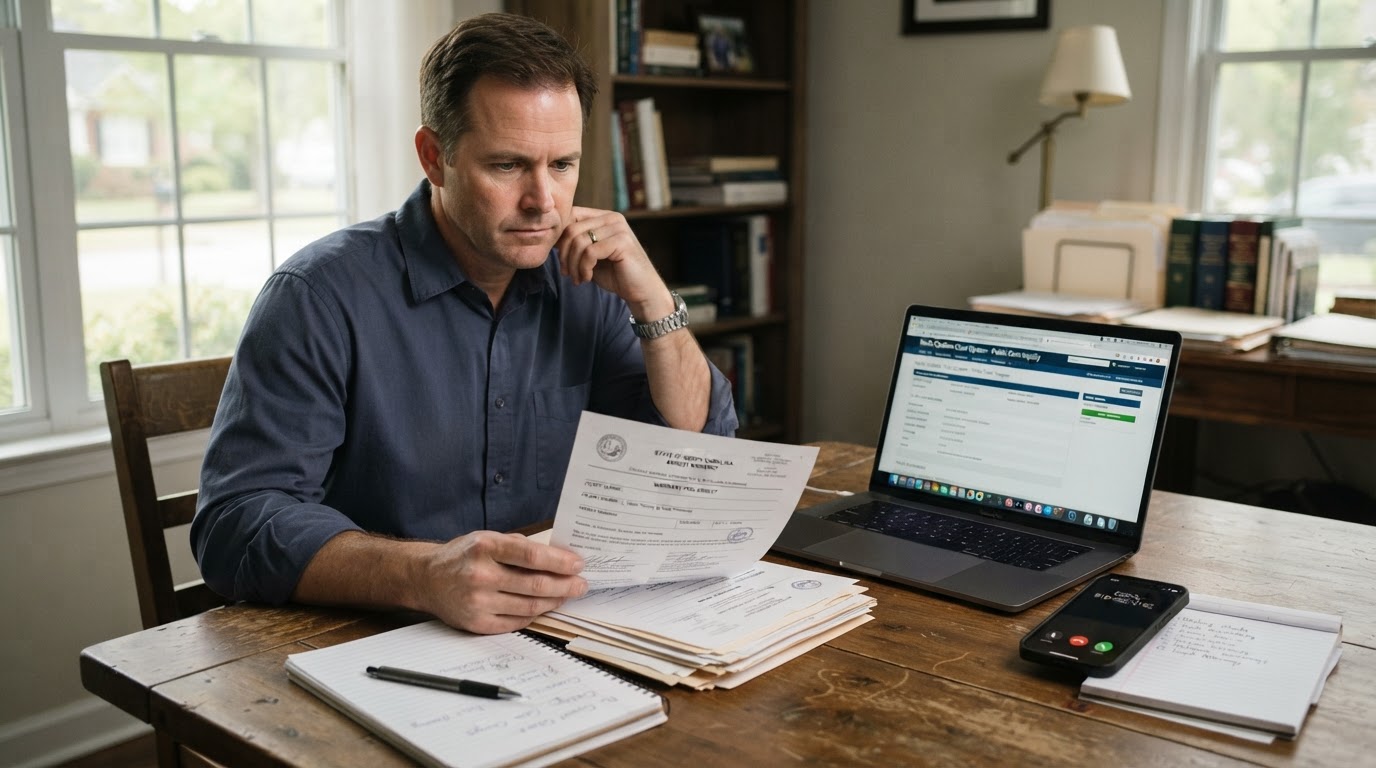
Realistic scene of a worried person reading legal documents

What Is an Arrest Warrant and How Can It Affect You?

April 17, 202615 min read

What Is an Arrest Warrant and How Can It Affect You?

Finding out that you might have an arrest warrant in North Carolina can feel overwhelming. If you live in Wake County or a nearby county, you may worry about being arrested at work, during a traffic stop, or in front of your family. This article explains what an arrest warrant is, how it can affect your daily life, and what practical steps you can take to address the situation as calmly as possible.

What Is an Arrest Warrant?

An arrest warrant is a written order from a court telling law enforcement to take a specific person into custody. In North Carolina, that order must be based on probable cause, meaning there is enough information to reasonably believe a crime was committed and that you are the person involved, according to Chapter 15A of the North Carolina General Statutes.

The warrant includes your name or identifying information, the criminal charge, and instructions to officers to arrest you and bring you before a judicial official. It is not a finding of guilt. It simply starts the formal process of requiring you to appear in court to answer the charge or charges listed in the document.

In North Carolina, arrest warrants can be issued by a judge, clerk of court, or magistrate. In counties like Wake, magistrates handle many of the day‑to‑day decisions about warrants, especially for new charges and failures to appear. They review sworn statements and decide whether the legal standard for probable cause is met before signing the warrant.

A warrant is usually issued after a law enforcement officer or, in some cases, a citizen, swears out a complaint. For most people, this happens when an officer presents information about an alleged crime to a magistrate or judge. Once signed, the warrant is entered into local and statewide systems so officers can act on it if they find you.

Common Types of Arrest Warrants

Not all arrest warrants start the same way. Understanding why a warrant may exist can help you figure out your next steps and what to expect when it is finally addressed in court. Here are some of the most common situations people in Wake County and surrounding areas face.

Failure to Appear (FTA) Warrants

A failure to appear warrant is issued when a person misses a scheduled court date. This might be for a traffic ticket, misdemeanor, or more serious charge. Sometimes people miss court because they moved, never received the notice, or simply got the date wrong. The court, however, sees it as not showing up as required, and a warrant may be issued to bring you back before a judge or magistrate.

In North Carolina, these warrants are often called “orders for arrest” when they are issued after a missed court date. They are treated like arrest warrants and allow officers to take you into custody so the court can address the missed appearance and the original charge at the same time.

Warrants for New Criminal Charges

When law enforcement believes a crime has been committed and you were involved, they may seek an arrest warrant for new charges. This can include anything from shoplifting to more serious felonies. The officer will usually present evidence or a sworn statement to a magistrate or judge, who then decides whether to issue the warrant based on probable cause as required by Chapter 15A of the General Statutes.

Sometimes, instead of a warrant, the court may issue a criminal summons, which tells you to appear in court on your own. Recent changes in North Carolina law mean that when a private citizen, rather than an officer, starts the complaint, a summons is often required unless certain exceptions apply. But when a warrant is issued, officers are authorized to arrest you rather than simply notify you of a court date.

Probation Violation Warrants

If you are on probation and your probation officer believes you have broken the rules of your supervision, the court may issue a warrant or order for arrest. This can happen for missed appointments, positive drug tests, new criminal charges, or not completing required programs or payments. The goal of the warrant is to bring you back before the court so a judge can decide whether a violation occurred and what should happen next.

Probation‑related warrants can feel especially stressful because your freedom may already be limited. Still, they are a regular part of the system, and many people are able to address them, post bond when available, and continue working on their cases with the help of legal and support professionals.

Custom HTML/CSS/JAVASCRIPT

What Happens If You Have an Outstanding Arrest Warrant?

Once an arrest warrant or order for arrest is issued in North Carolina, it is active for a period of time and can be served almost anywhere officers lawfully encounter you. In Wake County, warrants are entered into local systems and the statewide NCAWARE repository. That means officers in nearby counties may also see the warrant and act on it if they stop or meet you during their duties.

Risk of Being Arrested Unexpectedly

With an outstanding warrant, you can be arrested at almost any time. Officers do not have to schedule it with you. They may come across the warrant during their normal work, such as responding to a call, checking someone’s name in a database, or participating in a warrant sweep like those periodically carried out by the Wake County Sheriff’s Office. Knowing this can create constant worry, especially if you are trying to work, raise a family, or care for others.

Traffic Stops and Roadside Encounters

One of the most common ways people are arrested on a warrant is during a routine traffic stop. An officer may pull you over for speeding, a broken taillight, or another minor issue. When they run your driver’s license, the system can show any active warrants. If one appears, the officer is usually required to arrest you, even if the original reason for the stop was minor and you have been polite and cooperative.

Arrest at Home or Work

Warrants can also be served at your home, workplace, or anywhere else officers lawfully find you. In Wake County and surrounding areas, warrant units sometimes attempt to locate people at known addresses. Being arrested in front of family, children, or coworkers can be embarrassing and frightening. This is one reason many people choose to address a possible warrant on their own terms, rather than waiting for it to surface unexpectedly.

Booking and Jail Process After Arrest

After an arrest on a warrant, you are typically taken to the local detention center or jail for booking. If you want a more detailed breakdown of what happens locally, you can review the Wake County arrest process. In Wake County, this means being transported to the detention facility in Raleigh. Booking usually includes fingerprinting, photographs, a basic health screening, and recording your personal information. Your belongings are taken, listed, and held until you are released or transferred.

You will then wait to see a magistrate or judge, usually within a relatively short time frame. North Carolina law requires that you be brought before a judicial official without unnecessary delay. This is when your bond is often set and you receive information about your next court date and the charges you are facing.

How an Arrest Warrant Can Affect Daily Life

Even before an arrest happens, simply knowing or suspecting that a warrant exists can change the way you live day to day. Many people in Wake County describe constantly looking over their shoulder, avoiding normal activities, and feeling unable to plan for the future. Understanding these effects may help you recognize what you are going through and why taking calm, informed action can bring relief.

Driving Risks and Transportation Choices

With an active warrant, every trip in the car can feel risky. A simple mistake on the road could lead to blue lights in the mirror and, very quickly, an arrest. Some people stop driving altogether, which can make it hard to get to work, take children to school, or attend medical appointments. Others continue to drive but feel anxious every time they see a patrol car, which adds ongoing stress to their routine.

Employment Concerns and Job Stability

An arrest warrant can affect your job in several ways. First, there is the risk of being arrested at or on the way to work, which can lead to unexpected absences and uncomfortable questions. Second, some employers perform periodic background checks or may learn of pending charges through word of mouth. While every workplace is different, the uncertainty about how your employer will react can be emotionally draining and make it difficult to focus on your duties.

Travel Limitations and Missed Opportunities

Many people with warrants avoid traveling outside their home area. They may worry about being stopped on the highway or questioned at transportation hubs. Even short trips to visit family in another county can feel risky if they involve driving through areas with active warrant enforcement efforts. Over time, this can mean missing important events, family gatherings, and chances to relax or recharge away from home.

Ongoing Stress and Uncertainty

Perhaps the most challenging part of living with a warrant is the constant mental and emotional strain. You may sleep poorly, worry about your children, and replay “what if” scenarios in your mind. It is common to feel ashamed, even when the situation started with a simple mistake like missing a court date. Remember that you are not alone. Many people in Wake County and across North Carolina have gone through similar experiences and found a path forward by taking small, steady steps to address the warrant and move on with their lives.

Calm courthouse hallway in Wake County with benches and soft lighting

Facing a warrant in court is stressful, but it is also the first step toward resolution.

What Usually Happens After an Arrest on a Warrant in North Carolina

Knowing what to expect after an arrest can make the process feel a little less frightening. While details vary from county to county, the basic steps in North Carolina are similar, whether you are in Wake County or a neighboring area. Here is what usually happens after an arrest on a warrant or order for arrest in North Carolina.

Booking at the Jail or Detention Center

After the arrest, officers transport you to the local jail or detention center for booking. Your personal information is recorded, and you are fingerprinted and photographed. Your belongings are taken and stored. You may be given basic information about the charges, and staff will check for any medical or safety concerns. This part can feel slow and confusing, but it is a routine process that everyone goes through after an arrest.

Magistrate Review and Bond Being Set

North Carolina law requires that you be brought before a judicial official, often a magistrate, without unnecessary delay. During this first appearance, the magistrate reviews the warrant, explains the charges, and typically sets your bond. The bond amount depends on many factors, including the type of charge, your prior record, your ties to the community, and whether the court believes you are likely to return for future court dates.

Sometimes, especially for lower‑level charges or first‑time issues, the magistrate may set a written promise to appear or an unsecured bond, which does not require money up front. In other cases, a secured bond is set, meaning you must pay or arrange for payment before you can be released from custody.

Release Process in Brief

If a secured bond is set and you or your family are able to post the full amount in cash or through a bail bond, the jail will begin the release process. This can take some time, depending on how busy the facility is and how quickly the paperwork is completed. Once released, you are given information about your upcoming court dates and any conditions you must follow while the case is pending, such as staying away from certain people or places.

While this is not the end of your case, it is an important turning point. You are no longer in custody, and you have the chance to work with an attorney, gather documents, and plan for the next stages of the court process while remaining at home and continuing to care for your responsibilities.

What You Can Do If You Think There May Be a Warrant

If you suspect there is a warrant for your arrest, you may feel the urge to ignore it and hope it goes away. In North Carolina, warrants generally remain active until they are served or otherwise resolved. Taking calm, informed steps now can help you avoid an unexpected arrest and give you more control over how the process unfolds.

Stay Calm and Avoid Rash Decisions

Feeling scared or embarrassed is normal, but panic can make the situation harder. Take a breath, slow things down, and focus on confirming the facts before making your next move. You do not need to solve everything in one day.

Verify Information Through Official Sources

In Wake County, you can check for warrants in several ways. The North Carolina eCourts system and the Wake County Clerk of Court’s public search tools may show active cases and orders. You can also visit the courthouse in Raleigh and use public terminals, or contact the Wake County Sheriff’s Office Warrant Division directly during business hours to ask about your status. Be cautious about unsolicited calls claiming you have a warrant, especially if they demand payment over the phone; many of these are scams and should be verified using official numbers and websites.

Be Prepared for Next Steps Before You Turn Yourself In

If you confirm there is a warrant, it may be possible, in some situations, to arrange a time to turn yourself in. Before doing that, many people find it helpful to make a plan. This can include arranging childcare, letting a trusted employer or family member know you may be unavailable for a short time, and setting aside important phone numbers, such as an attorney, a bail bonds agency, and close relatives, so you can reach them from the jail if needed.

Contacting a Bail Agent When Appropriate

Many families in Wake County choose to speak with a licensed bail bond agent before or shortly after an arrest on a warrant. A bail agent can explain, in simple terms, how bond works in your situation and what to expect if a secured bond is set. Having this conversation in advance can make the process smoother for your loved ones and may reduce the time you spend in custody once a bond amount is known.

How Bail Bonds Work If a Warrant Leads to Arrest

The terms “bail” and “bond” are often used together, but they describe slightly different things. Bail is the total amount of money the court sets as a condition of release. A bail bond is a way to meet that requirement without paying the full amount in cash directly to the court. In North Carolina, including Wake County, many people rely on bail bond agents when they cannot afford to pay the entire bail themselves. If the arrest is in Raleigh or elsewhere in the county, you can learn more about Wake County bail bonds and what the next step usually looks like.

Families typically need a few key things when working with a bail bonds company: basic information about the person in custody, the county where they are being held, and the bond amount set by the magistrate or judge. The bail agent then explains the fee and any co‑signer or collateral requirements. Once the bond is posted, the jail begins the release process, and the person is allowed to go home while their case continues in court, as long as they follow all court conditions and appear when required.

When to Get Help

You do not have to face an arrest warrant alone. Reaching out for help is not a sign of weakness; it is a practical step toward protecting yourself and your family. There are several points in this process where getting the right help early can reduce stress and help your family prepare for what comes next.

Many people choose to speak with a criminal defense attorney as soon as they learn about a possible warrant. An attorney can help you understand the charges, explore whether there are options to address a missed court date, and prepare you for what to expect at your first appearance. In some situations, they may also help coordinate a planned surrender so you are not surprised by an arrest at home or work.

It can also be helpful to talk with a trusted friend, family member, pastor, or counselor. The emotional side of dealing with a warrant is real, and having someone listen without judgment can make it easier to stay calm and think clearly. If you expect that a secured bond may be set, discussing the situation with a reputable bail bonds agency ahead of time can give your family a clearer picture of what to do if you are taken into custody on the warrant.

Whether you are in Wake County or a neighboring county, an arrest warrant is serious, but it can be addressed. Understanding what a warrant means, what usually happens after arrest, and what help is available can make the situation feel more manageable and help you plan your next step.

Paul Nello Romero

Paul Nello Romero

Paul Nello Romero is the Founder of Amistad Bail Bonds and a Licensed Surety Bail Bondsman in North Carolina. Since 2009, he has specialized in risk management and high-bond structuring. Federally authorized through the ICE eBonds system, he handles immigration bonds nationwide with a focus on compliance and efficient decision-making.

LinkedIn logo icon
Back to Blog

Disclaimer: This content is for informational purposes only. Laws and procedures may change over time and can vary by jurisdiction. Amistad Bail Bonds is not a law firm and does not provide legal advice. For advice specific to your situation, please consult a qualified attorney.

Contact Us

ADDRESS

RALEIGH OFFICE

TOLL FREE

225 Tryon Rd #212, Raleigh, NC 27603, USA
© 2009 - 2026 Amistad Bail Bonds. All rights reserved.
Amistad Bail Bonds is a registered DBA of Amistad Insurance Services, Inc. Amistad Bail Bonds® and Amistad Insurance Services, Inc.® are registered trademarks. Unauthorized use of these trademarks is strictly prohibited.