
DWI Arrests in North Carolina
After a DWI arrest, the person usually goes through jail intake and a review of their release conditions. Whether they can leave depends on those conditions, any safety concerns, and jail processing.
If you are helping someone, start by confirming where they are being held and whether a bond has been set.
THE ARREST
What Happens After a DWI Arrest?
A DWI arrest typically begins with an initial traffic stop where an officer observes driving behavior and interacts with the driver. If the officer suspects impairment, they may request field sobriety tests or a roadside breath screening to determine probable cause.
If probable cause is established, the person is placed under arrest, informed of their rights, and transported to a law enforcement office or detention facility for booking and official testing. This intake process includes:
An arrest is not a conviction. The criminal DWI case and possible penalties are handled separately in court from the initial decisions regarding pretrial release conditions.

RELEASE CONDITIONS
How Is Release Determined?
A judicial official, often a magistrate, reviews the case and sets the requirements for release. A bail bondsman does not decide these requirements or the bond amount.
Unsecured Bond
No money is required upfront, but the person accepts a financial obligation if they fail to appear in court.
Release Into Supervision
A designated person or organization agrees to supervise them.
Secured Bond
Financial security must be provided before release, such as a cash deposit or a bond through a licensed bondsman.
Other restrictions may apply. The release order explains what the person must do.
For a simple explanation of payments and the agent's role, see how bail bonds work.
TIMING
Why Might Release Be Delayed?
Posting a bond does not always mean someone can leave immediately.
Impairment & Temporary Detention
In a DWI case, a judicial official may order temporary detention if the person's impairment would make release dangerous. Release may become possible when that danger ends or a sober, responsible adult takes responsibility, provided the other release requirements are met.
The 24-Hour Rule
Detention under this specific impairment rule cannot exceed 24 hours. That is not a mandatory waiting period or a guarantee of release within 24 hours: other conditions or holds may still apply.
North Carolina's impaired-driving detention ruleTiming also depends on booking, case review, paperwork and jail workload. Ask which step is still pending rather than relying on a promised release time.
PRACTICAL STEPS
What Should Families Do Next?
Gather the information available to you:
- The person's full legal name and date of birth.
- The county and facility where they are being held.
- Their charges.
- The bond amount and type, if available.
- Any release conditions or court-date information.
You do not need every detail before asking for help. Start by confirming the facility, then ask whether booking is complete, release conditions have been set, or a hold remains.
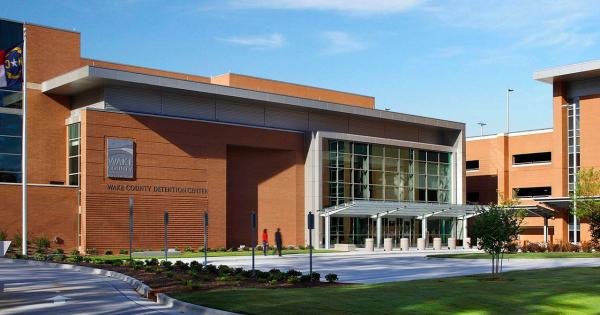
Held in Wake County?
For someone held in Wake County, use our inmate search guide to find available custody information.
BAC & TESTING
How Do BAC and Testing Affect a DWI Investigation?
Blood alcohol concentration, or BAC, measures alcohol in the body. North Carolina's rules include:
BAC Thresholds in North Carolina
Most drivers
A BAC of 0.08% or more can establish the alcohol-concentration basis for DWI.
Commercial motor vehicle
While operating a commercial motor vehicle, a separate impaired-driving rule uses 0.04% or more.
Drivers under 21
A separate law generally prohibits driving with any alcohol remaining in the body. This is not simply a lower threshold for the same DWI offense.
A person can also face DWI charges for impairment from alcohol or other substances, even below 0.08%. These rules are explained in North Carolina's DWI law, commercial-vehicle law and under-21 driving law.
Testing Procedures Officers May Use
These are different procedures with different legal consequences.
Refusing an official chemical test can lead to a separate license revocation, even without a DWI conviction. An attorney can explain how the testing rules apply to the case.
North Carolina chemical-testing lawLOCAL RESOURCES
Find Local DWI Arrest Information
State law provides the framework, while local facilities handle booking and release.
Raleigh is part of Wake County. If the arrest happened there, these resources can help:
COMMON QUESTIONS
Frequently Asked Questions
Yes. Certain test results or a refusal can trigger a civil license revocation before the criminal case is decided. Release from jail does not restore driving privileges. North Carolina's civil revocation rules.
Need Help Understanding the Next Step?
Amistad can help explain bond requirements and what information is needed to begin. Questions about defending the charge or restoring a license should go to an attorney.