DWI Bail Bonds in Raleigh | Wake County Arrest & Bond Guide
DWI Bail Bonds in Raleigh: How Bail Works After a DWI Arrest in Wake County
Summary:
This guide provides an overview of the DWI bail bond process in Wake County, North Carolina. It defines legal thresholds for impaired driving, explains the roles of magistrates and licensed bondsmen, and details the typical timeline from arrest at the Wake County Detention Center to release. Key topics include the three primary types of bonds (written promise, unsecured, and secured), the standard 15% premium cap for surety services, and the administrative factors that influence release timing. This resource serves as a procedural roadmap for families navigating the Raleigh legal system following a DWI charge.
Table of Contents
What happens right after a DWI arrest?
Typical DWI Arrest and Bail Process in Wake County
How are Bail Bonds Set for DWI cases?
So, what types of bonds are used for DWI charges?
How long does it take to be released after a DWI arrest?
How do DWI bail bonds work in Raleigh?
Why are bail bond companies often the best option after a DWI arrest?
How does a credible bail bond company compare with an unverified operator?
Where are DWI arrests processed in Wake County?
Introduction
When someone you care about is arrested for DWI, the shock hits fast, and questions pile up even faster. You need answers, reassurance, and real help right away, and the right support can be just one step away.
Under North Carolina law, a DWI charge applies when a driver has a BAC of 0.08 or higher or shows appreciable impairment. Charges range from lower misdemeanor levels to Aggravated Level 1, depending on factors such as prior history or injuries. When a magistrate sets a secured bond, DWI bail bonds in Raleigh allow a licensed surety company to guarantee release without families paying the full amount upfront.
Did you know?
According to the North Carolina Department of Transportation crash data, Wake County consistently ranks among the state’s counties with the highest number of alcohol-related crashes. (Source: NCDOT Crash Data)
Statewide, courts handled about 24,694 DWI convictions in the latest fiscal year, showing how common these arrests remain. (Source: NC Criminal Law Sentencing Report)
What happens right after a DWI arrest?
The DWI process in Wake County follows a structured and predictable process, which helps families act quickly once they understand the sequence. After a traffic stop, officers conduct roadside observations and sobriety tests. If probable cause exists, the driver is arrested and taken to a Wake County processing facility. Booking at the detention facility includes fingerprinting, identity verification, and jail record checks. A magistrate then reviews the case and sets release conditions.
Several variables affect timing and outcome, including:
Arrest Volume: Busy nights (holidays/weekends) slow down processing.
Agency Coordination: Involvement of multiple agencies (RPD, Highway Patrol) can add paperwork time.
Safety Holds: Magistrates may require a sobriety hold before release.
Understanding this timeline early helps families prepare documents and start bond arrangements sooner.
Typical DWI Arrest and Bail Process in Wake County
The following steps outline the typical process after a DWI arrest in Raleigh or elsewhere in Wake County.
A traffic stop leads to field sobriety testing.
If probable cause exists, the driver is arrested.
The person is transported to a Wake County detention facility for booking.
A magistrate reviews the case and sets release conditions.
If a secured bond is required, a bail bond company can guarantee the bond.
Release occurs once the bond is processed and jail paperwork is completed.
How are Bail Bonds Set for DWI cases?
A magistrate determines bond using legal guidelines designed to ensure court appearance and public safety. Decision factors include prior record, BAC level, accident involvement, and community ties. Lower-risk defendants may receive written promises or unsecured bonds. Cases involving aggravating factors often require secured bonds backed by cash, property, or a surety.
Bond amounts in Wake County can vary significantly depending on the circumstances of the arrest. Further case-by-case clarification on bail amount can be received from a professional bail bondsman in your area.
So, what types of bonds are used for DWI charges?
Courts in Wake County typically rely on three main bond types when deciding release conditions after a DWI arrest. Understanding how each works helps families know what to expect and how to prepare.
Written Promise: A written promise allows release based on the defendant’s signed agreement to appear in court. Courts usually reserve this option for low-risk individuals with stable local ties.
Unsecured Bond: An unsecured bond assigns a dollar amount but does not require payment unless the defendant misses court. This option balances accountability with accessibility.
Secured Bond: A secured bond requires money, property, or a bail bond company guarantee before release. Courts typically impose this when risk factors or prior offenses are present.
How long does it take to be released after a DWI arrest?
Release timing varies because the process depends on booking, review, and administrative workload. In routine situations, release may occur within three to five hours. Higher volume periods or staffing limitations can extend that window to twelve hours or longer. Some cases involve holds that last up to twenty-four hours if the magistrate believes release would create safety risks.
Release timelines can shift depending on when the arrest occurs. Weekend DWI arrests in Raleigh often follow slightly different processing patterns due to court schedules and magistrate availability.
Because delays often stem from paperwork or verification steps, families who contact a bail agent early often shorten overall wait time. Early coordination allows paperwork, identity verification, and payment setup to begin before release authorization.
How do DWI bail bonds work in Raleigh?
DWI bail bond services operate through percentage-based surety agreements. North Carolina law generally caps premiums at fifteen percent of the bond amount. A licensed bondsman guarantees the full bond to the court while the family pays only the approved portion. This structure lets families secure release without freezing thousands of dollars for months.
The process is straightforward. A co-signer provides basic identifying information, signs documents, and pays the premium or approved down payment. The bondsman then files the guarantee with the detention facility so release can begin.
Information typically needed to arrange a DWI bond includes
Defendant’s full name
Date of birth
Jail location
Bond amount if known
You can review local bail bonds information or contact Amistad Bail Bonds to begin the process as soon as the bond is set.
Why are bail bond companies often the best option after a DWI arrest?
Families dealing with a sudden arrest face emotional strain, financial pressure, and urgent decisions. Bail bond companies solve these pain points simultaneously. They reduce upfront cost, simplify paperwork, and guide families through each step of the legal timeline. Instead of scrambling to gather full cash bond amounts, families can secure release with a fraction of the cost and structured payment options. Many licensed agencies also provide reminders for court dates and instructions about release conditions, which lowers the risk of violations or missed hearings.
Professional agencies also know local procedures. Wake County arrests often involve multiple departments, such as Raleigh Police, Garner Police, or the State Highway Patrol. Local bondsmen understand how these agencies coordinate with detention staff, which helps prevent documentation mistakes that could delay release. Historically, bail systems developed in English common law as a safeguard against unnecessary pretrial detention, and modern bondsmen continue that role by allowing defendants to remain with their families while awaiting court.
How does a credible bail bond company compare with an unverified operator?
Choosing the right provider directly affects both speed and safety of release. A licensed company follows state rules, discloses fees clearly, and provides written documentation. Unverified operators often lack transparency and can create delays or legal complications.
Working with a reputable company protects families from financial risk, prevents procedural mistakes, saves time, and ensures compliance with North Carolina requirements.
Where are DWI arrests processed in Wake County?
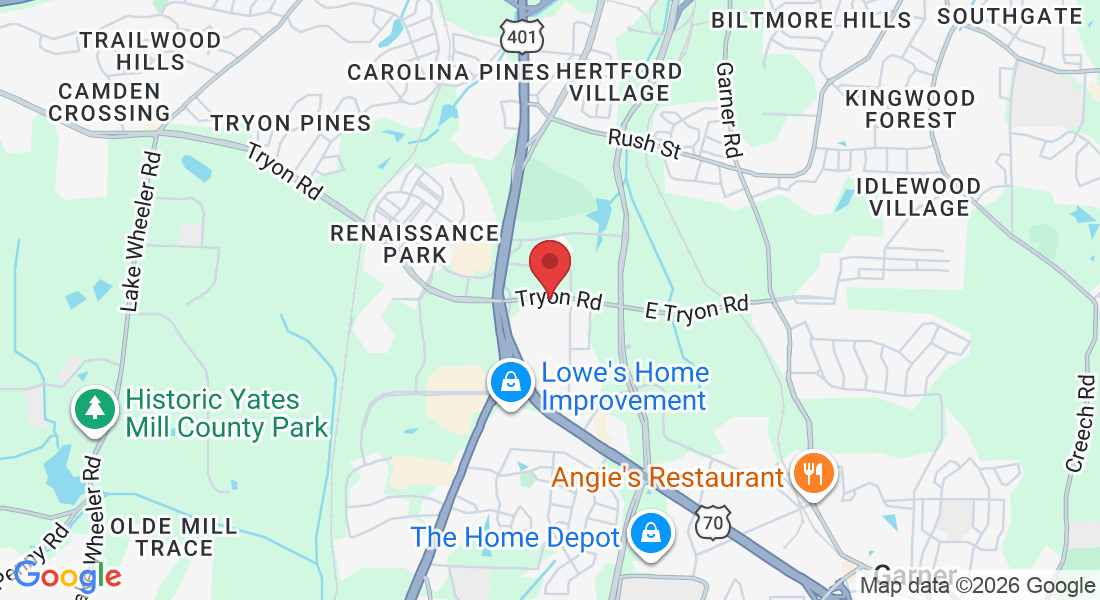
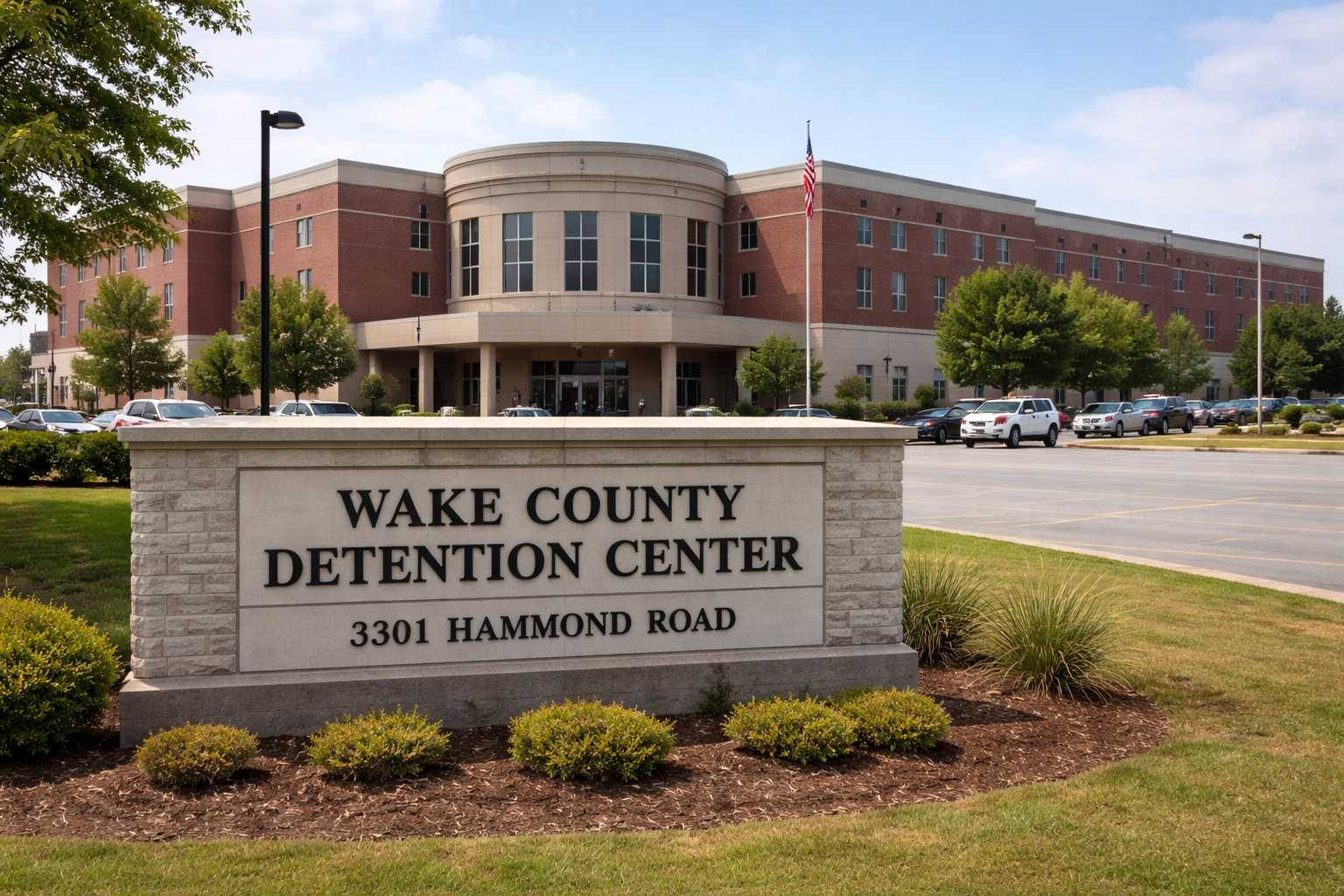
Most arrests from Raleigh and nearby towns are processed through Wake County’s detention system. The primary booking facility is the Wake County Detention Center, located at 3301 Hammond Road, approximately halfway between the cities of Raleigh and Garner. Wake County also operates a second detention facility at the John H. Baker, Jr. Public Safety Center, located at 330 S. Salisbury Street in downtown Raleigh.
Arresting agencies often include the Raleigh Police Department, Garner Police Department, and the North Carolina State Highway Patrol. Local knowledge of these systems allows experienced bail agents like Amistad Bail Bond Agents to move faster because they understand facility procedures and documentation expectations.
Frequently asked questions about DWI bail in Wake County.
Can Someone Post Bail for a DWI Defendant in Raleigh?
Yes. In most cases, a friend or family member can arrange bail on behalf of a defendant after a DWI arrest in Wake County. A licensed bail bondsman can complete the paperwork with a co-signer and submit the surety guarantee to the detention facility so the release process can begin.
When is bail required, and can it ever be denied?
Bail is not required in every case because some first-time defendants qualify for written promises or unsecured bonds. Courts can temporarily delay release if impairment creates a safety concern, but outright denial is rare and usually tied to serious aggravating factors.
Are first-time DWI bonds different, and can someone else arrange them?
First-time defendants often receive lower or less restrictive bonds because they present lower risk. A friend or family member can arrange the bond as a cosigner, provide documents, and complete payment steps on behalf of the defendant.
What conditions usually apply after release, and what happens if they are violated?
Common conditions include alcohol abstinence, monitoring devices, or driving restrictions, depending on case severity. Violating conditions can lead to bond revocation, re-arrest, or additional penalties, which is why guidance from a professional bondsman is valuable.
Is cash bail better than a bond, and will money be returned?
Cash bail paid directly to the court is usually returned at the end of the case, minus fees, but it requires full payment upfront. Bail bonds require only a percentage fee, which is not refunded, yet they preserve savings for legal expenses and household costs.
What information and preparation help speed release?
Having identification, defendant details, and bond information ready allows faster approval. Contacting a bondsman immediately after the bond is set often reduces waiting time because paperwork can start before processing is complete.
Conclusion
A DWI arrest creates urgency and uncertainty for families. The legal system moves quickly, and delays can increase stress and financial pressure. Professional bail bond companies provide structure during that chaos by guiding families through procedures, explaining requirements, and securing release as efficiently as possible.
Amistad Bail Bonds' services are based on local Wake County experience, clear pricing, and flexible payment options that help families handle DWI arrests with confidence and dignity. When time matters, and peace of mind matters even more, contacting a trusted local bail bond professional can make the entire process smoother from the first call to final release. Call 919-790-6887 now or start online for emergency and fast 24/7 support, and get a licensed local agent working on your release immediately.