
Drug Charges in North Carolina: What Families in Wake County Should Know
When someone is arrested on a drug charge in North Carolina, a judicial official determines the conditions of pretrial release. Being charged is not a conviction. Your family's first priority is to locate the defendant, confirm the exact charge and release conditions, and find out whether a secured bond has been set and a licensed bail bondsman can help.
Updated 2026-09-23
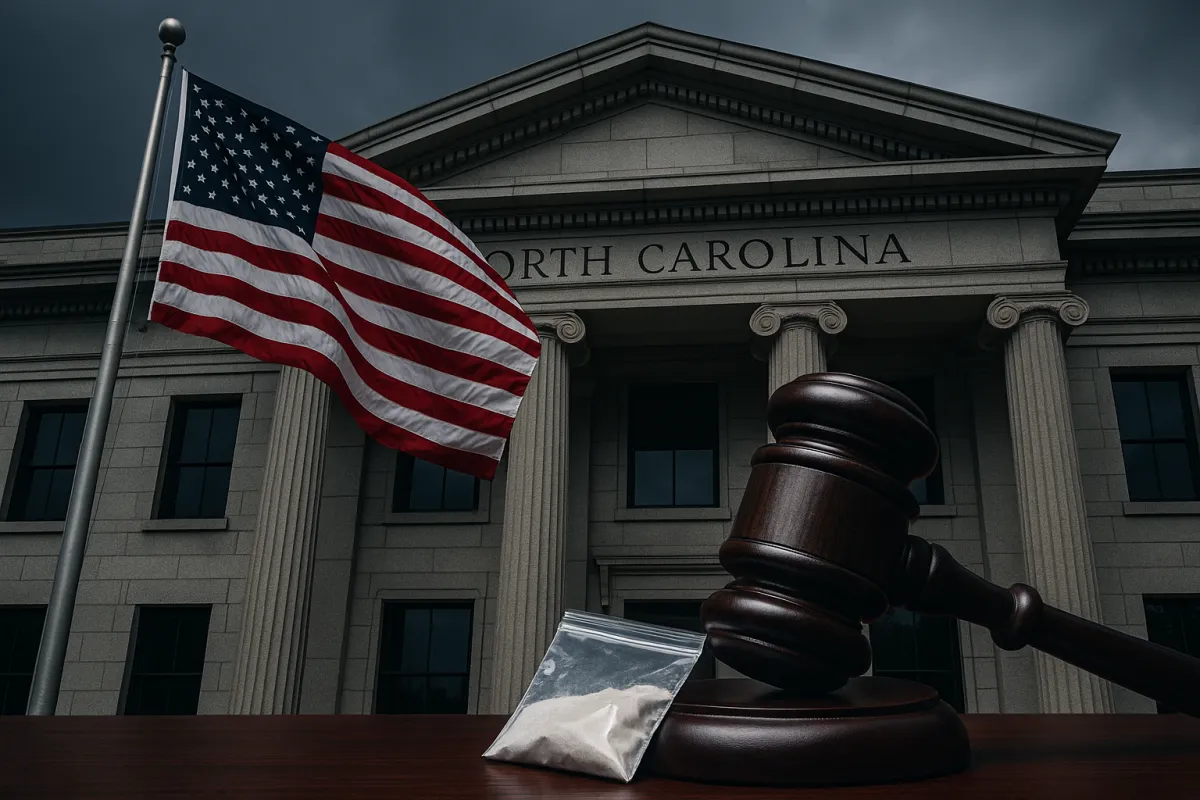
Understanding Drug Charges: Arrest, Charge, and Conviction
An arrest or charge for a drug offense is an accusation, not a legal finding of guilt. The charging document identifies the offense the person is accused of. A conviction occurs only if the defendant enters a guilty plea or is found guilty after a trial. During the pretrial period, release conditions are determined under North Carolina law. Understanding this distinction helps families separate the release process from the legal defense. Questions about the charge and legal options should be discussed with a criminal defense attorney. For a broader look at the local intake process, see our Wake County arrest process guide.
Common Types of Drug Offenses in North Carolina
North Carolina law under N.C.G.S. § 90-95 categorizes controlled substance offenses based on the alleged activity and quantity.
- Simple Possession
- Simple possession generally involves having a controlled substance without legal authorization and without an allegation that it was intended for sale or delivery. The classification depends on the substance, amount, and specific statutory rules. Some possession charges are misdemeanors, while others are felonies.
- Possession with Intent to Manufacture, Sell, or Deliver (PWIMSD)
- When circumstances—such as drug quantity, packaging materials, scales, or cash—lead prosecutors to allege an intent to distribute. The classification depends on the substance and the specific allegations in the case.
- Drug Trafficking
- Drug trafficking charges are based on statutory quantity thresholds that vary by substance and do not necessarily require proof of an actual sale. A trafficking conviction can carry mandatory minimum sentences.
- Drug Paraphernalia & Prescription Fraud
- Possession of items used to consume or package controlled substances, or obtaining prescription medications through deceit, are distinct statutory charges that may accompany possession allegations.
What Families Must Confirm After a Drug Arrest
Before contacting a bondsman or taking action, families should verify key facts.
- Exact Custody Location
- Confirm where the individual is being held. If the arrest is in Wake County, use the Wake County inmate search to review available custody information.
- Specific Charges & Classification
- Determine whether the charge is a misdemeanor, felony, or statutory trafficking offense, as well as any non-drug warrants or holds.
- Release Conditions & Bond Amount
- Confirm what release conditions have been set and, if a secured bond applies, the bond amount.
- Active Holds or Detainers
- Check whether any additional hold or detainer is affecting release.
How Bail and Conditions Are Set for Drug Charges
In North Carolina, release conditions are set by a judicial official — never by law enforcement or bail bond agents.
Under N.C.G.S. § 15A-534, the judicial official considers several factors when setting release conditions for drug charges:
- The nature and circumstances of the alleged offense.
- Prior record and previous court appearances.
- Family, employment, and community ties.
- Risk of failing to appear and relevant safety concerns.
- Financial circumstances and other information the judicial official may consider.
The Role of a Bail Bondsman & Premium Regulations
A licensed bail bondsman may help when a secured surety bond has been set.
When a secured bond has been set, a licensed bail bondsman may provide a surety bond if that option applies to the case. The defendant must still attend required court appearances and follow the court-ordered release conditions. For a full explanation of the process and responsibilities, see our guide to how bail works in North Carolina. Posting the bond does not itself guarantee immediate release; the detention facility may still need to complete its release process or address other holds.
- Maximum Premium Rate
- Under N.C.G.S. § 58-71-95, the fee (premium) charged by a licensed bondsman cannot exceed 15% of the total bond amount. This rate is a legal ceiling, not a fixed mandatory charge. The premium is the fee for the bail bond service and is separate from the bond amount and any collateral.
- Collateral Requirements
- Collateral may be required depending on the bond and the agreement. Collateral is separate from the premium and is returned after final termination of liability on the bond, subject to North Carolina requirements.
- Payment Options
- Amistad Bail Bonds offers structured payment plans for eligible bonds of $20,000 or more, subject to approval. Review our payment options and approval requirements for details.
Wake County Local Resources & Next Steps
Practical tools and official resources available to families navigating a drug arrest in Raleigh and Wake County.
For a broader overview of local bail services and how Amistad helps families in the area, visit our Wake County bail bonds page. If a secured surety bond has been set and you are ready to begin, you can start an online application and an agent will review the available bond information with you.
Wake County Drug Charges Help
Need Help With a Drug Charge Bail Bond in Wake County?
Amistad Bail Bonds is available 24/7 to help you locate a detainee, explain court-set bond conditions, and guide you through the release process in Raleigh and across Wake County.