
Turning Yourself In in North Carolina: What to Prepare
If you plan to turn yourself in in North Carolina, start by confirming where to report, gathering your case information, and choosing someone you can contact for help. Speaking with your attorney and a bail agent beforehand can help you understand what needs to happen next.
Updated 2026-09-10
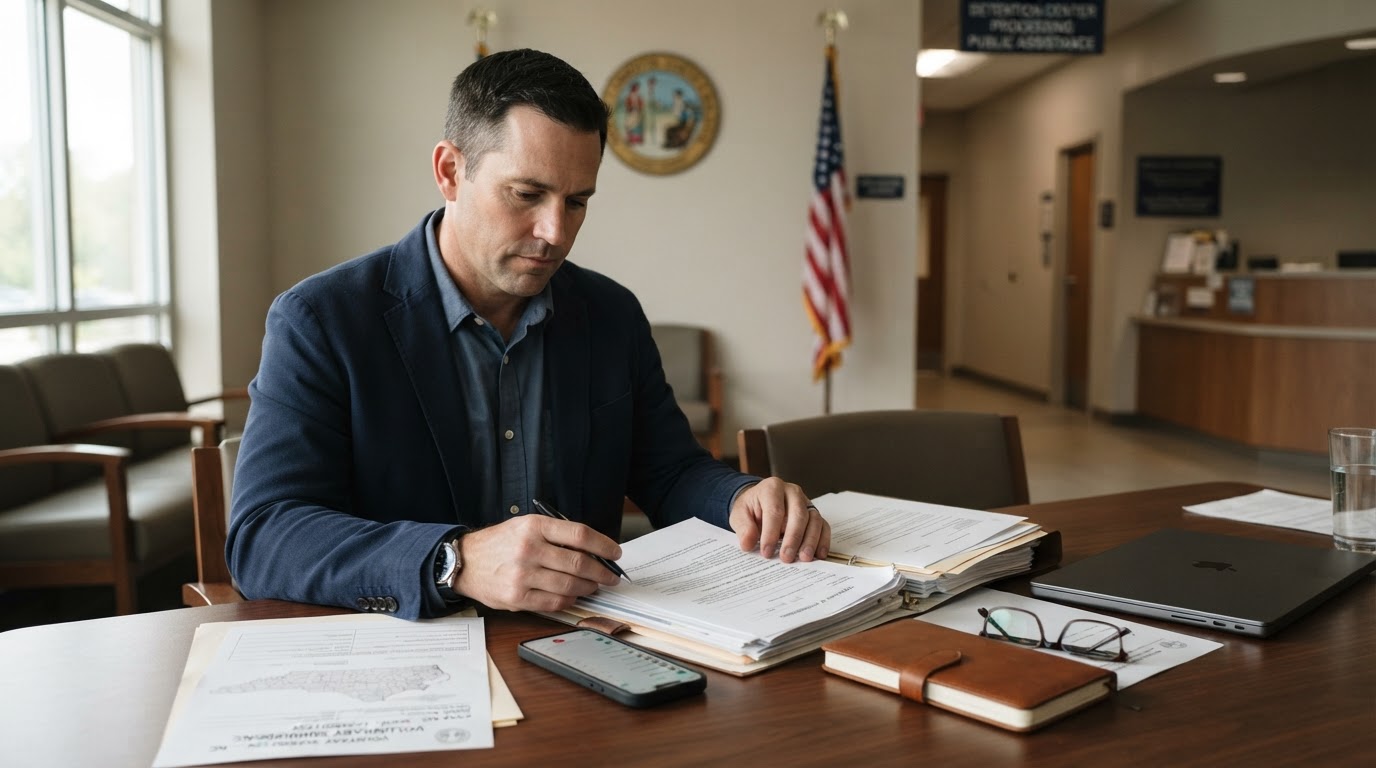
Confirm Your Next Steps With an Attorney
A criminal defense attorney can help you understand the order, review your options, and explain how a missed court date or probation issue may affect your case.
- Confirm the location and instructions for reporting with your attorney and the appropriate agency. Do not assume you can report to any jail or arrange a time without checking.
- If you are unsure what the order means, read our guide to arrest warrants in North Carolina to understand the document and what it authorizes.
- Your attorney can advise whether voluntary surrender affects your case and what information you should bring with you.
Have Your Information and Contacts Ready
You do not need every answer before asking for help. Start with what you know:
- Your full legal name and date of birth.
- The county handling the case.
- Any case number, court paperwork, or information about the order.
- The bond amount and type, if already known.
- Phone numbers for your attorney and a trusted person who can help.
- Arrange childcare, transportation, and other responsibilities in case you are unavailable longer than expected.
- Ask the receiving facility about identification, medication procedures, and personal items before bringing them.
Can You Arrange a Bail Bond Before Turning Yourself In?
You can contact a bail agent and prepare information beforehand. Whether a bond can actually be posted at that stage depends on the case and the applicable release conditions.
- Amistad can review the available bond information and explain the application, payment, and any co-signer or collateral requirements. A co-signer is the person who signs the bond agreement and accepts responsibilities under it.
- Preparing ahead does not allow you to skip booking or guarantee bond approval. A judicial official may still need to determine whether release is available and under what conditions.
- Before signing, make sure you understand the cost and your responsibilities. Our guide to how bail works in North Carolina explains the full process.
What Happens After You Turn Yourself In?
You should expect to be taken into custody and processed. Booking is the facility's intake process, which includes recording your information and completing identification procedures.
- What happens next depends on the order and the case. Release conditions may already be specified, or a judicial official may need to make a decision.
- For local details, see the Wake County arrest process. Family members looking for someone detained there can use the Wake County inmate search.
- If a bond is posted, the facility still has to complete its release procedures. Another warrant, hold, or requirement may prevent the person from leaving. Learn more about what happens after a bond is posted in Wake County.
Questions Before You Go
Sometimes bond information is already available. In other cases, a judicial official must first determine the release conditions. Share any paperwork you have with your attorney and bail agent.
Ask About Your Bail Bond Options
Preparing to Turn Yourself In?
If you are preparing to turn yourself in, Amistad can explain what information is needed to review a possible bail bond. English and Spanish support is available, 24/7. You can also learn about our local bail bond services